
Coin Volcano at a casino, the state-first checklist
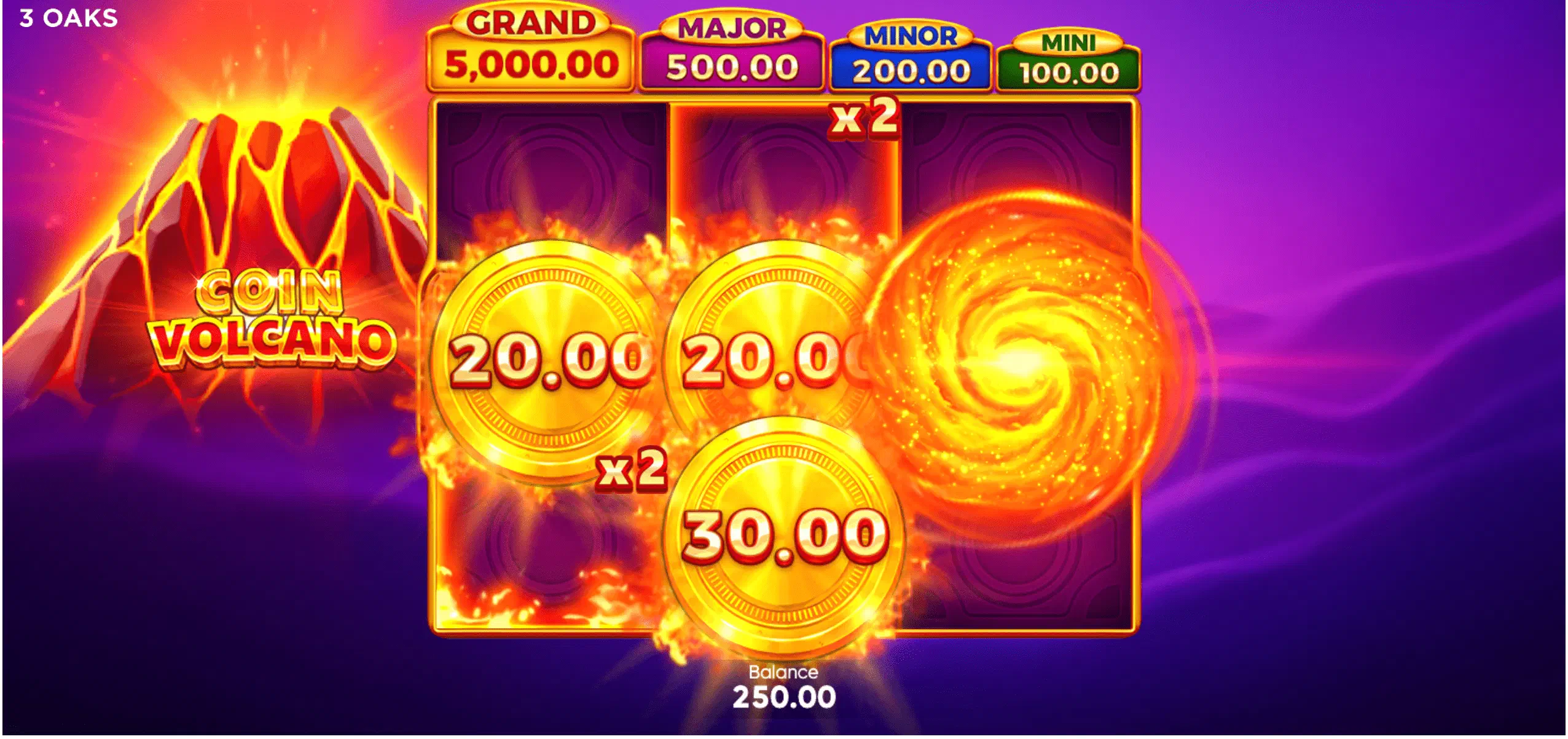
Searching “Coin Volcano casino” from the US returns two things: “official site” clones and interchangeable bonus lists. Neither answers the questions that actually order the decision, starting not with any casino, but with your state.
The five checks, in order
- Your state first, real-money online casinos are licensed in eight states only: NJ, PA, MI, CT, WV, DE, RI, ME (21+). Outside them, there is no state-licensed option, and the free demo is the clean answer.
- The operator’s state license, verify it with your state regulator, the NJ Division of Gaming Enforcement, PA Gaming Control Board, MI Gaming Control Board, CT Department of Consumer Protection, or your state’s equivalent. “Licensed” somewhere offshore is not licensed for you.
- 3 Oaks in the lobby, filter by provider and search the game by name. Be prepared for a miss: 3 Oaks is rare in US-licensed catalogs, and no landing-page promise changes what the lobby actually carries.
- The installed version, open the paytable: RTP shown (95.66% / 96% (may vary by casino version)) and Grand jackpot value (500x or 2,500x). Across the series the spread runs wider still, 3 Super Coin Volcanoes ships across the 94-96% range. The paytable is the only source that describes YOUR version.
- Responsible-gaming tools, deposit, loss and session limits in account settings, your state’s self-exclusion program, and 1-800-GAMBLER referenced on site. A licensed US operator must provide these; their absence is itself a warning.
Red flag worth memorizing: any site presenting itself as “the official Coin Volcano site” and asking for a deposit is a clone. 3 Oaks Gaming is a game studio, it operates no casino, holds no player accounts and takes no payments.
Where US players actually encounter this catalog
Step 3 above fails more often than it succeeds, and it is worth understanding why before you spend an evening searching lobbies.
State-regulated real-money operators
The licensed lobbies in NJ, MI, PA and WV are supplied by a comparatively narrow set of studios that have gone through state-level certification. A studio has to be approved state by state, and 3 Oaks Gaming has not been a standard fixture in those catalogs. This is where the strongest consumer protections live: a regulator that takes complaints, mandatory deposit and loss limits, tested RNG certification, and a real dispute path if a withdrawal stalls. What it may not have is this particular game.
Sweepstakes and social lobbies
The place the catalog does surface for American players is the promotional-sweepstakes category, which is a different legal construct rather than a different casino. Those sites run a no-purchase-necessary model with two currencies: a play currency that has no cash value at all, and a promotional currency that can be redeemed after playthrough and identity verification, typically subject to a minimum balance and a processing window of several business days.
The trade is explicit, so make it deliberately. A state-regulated operator answers to your state’s gaming regulator; a sweepstakes operator does not, which means disputes run through its own terms and general consumer-protection law instead. Neither is the demo, which costs nothing and carries no account at all.
When the version on offer changes the deal
If you do find two lobbies carrying the title, the paytable comparison outranks every promotional offer on either site, because more than one number moves between builds.
The published spread is 95.66% / 96% (may vary by casino version), and the jackpot ladder reads Mini 10x, Minor 20x, Major 50x, Grand 500x-2,500x (may vary by casino version), note that the top tier is version-dependent, so two players can chase a prize of the same name worth several times more in one lobby than the other. Bonus Buy is the second variable: present in some builds, removed in others, which changes how a session is even structured. Bet ceilings and autoplay availability can differ too.
Put plainly: a welcome offer is a one-time amount, while the installed configuration applies to every spin you ever make there. When they point in different directions, follow the paytable.
Signals to close the tab
Independent of the game, these end the evaluation:
- The license number does not resolve on the regulator’s own site. Checking the regulator’s register is the check; a logo in the footer is not.
- The game appears in the site’s marketing images but not in the lobby’s own search. Promised catalogs are not catalogs.
- Bonus terms carry a maximum bet while wagering is active, or exclude jackpot titles from contributing. Both can void winnings on a game like this one, quietly and after the fact.
- Account settings offer no deposit, loss or session limits, and no self-exclusion route. In licensed US markets these are requirements, so their absence tells you what you are dealing with.
- Deposits are easy and the withdrawal path is vague, one-way, or undocumented.
- A countdown timer is attached to the deposit decision. Nothing about a good offer requires you to hurry.
Real-money play is for players 21+ in licensed states. Game details are in the Coin Volcano review , bet sizing on the how-to-play page . If gambling stops feeling like entertainment, call or text 1-800-GAMBLER.