
Playing Coin Volcano, settings, bets and the real mechanic
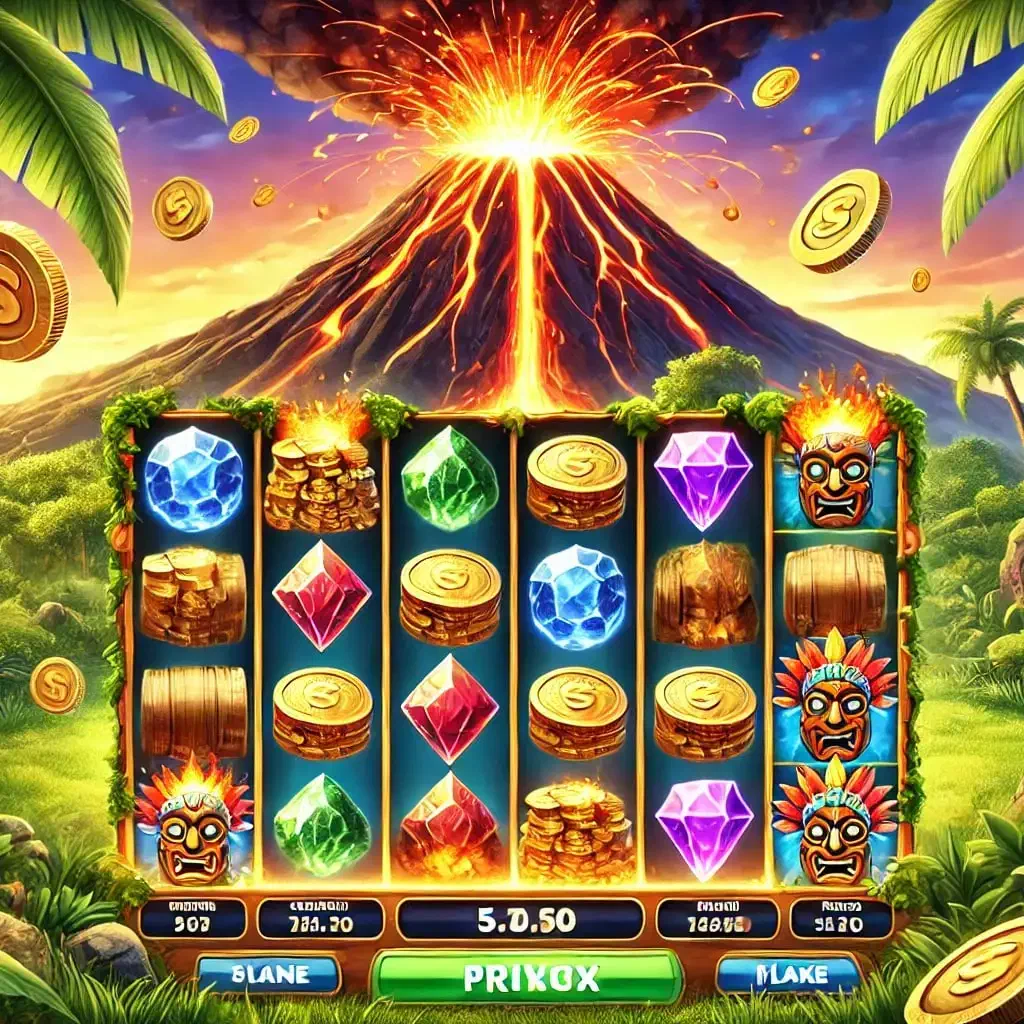
Here is what most “how to play” pages leave out, in Coin Volcano, every payout rides on the bonus. The 3x3 reels show only blanks and coins; no line pays outside the bonus. The entire game is about triggering the Hold and Win (3 collect symbols), the only moment coins convert into wins. Understanding this changes how you size your bet.
The concrete steps
- Pick your mode, the free demo to test, or real money through a regulated operator in your province .
- Set the bet ($0.10-$50) with the +/- buttons. In Canadian lobbies the amounts show in CAD; the spec figures use $ as game currency.
- Spin. Autoplay is a per-market control, where your lobby offers it, set its limit first; an Ontario account will not have one.
- Three collect symbols on the line start the bonus: coins lock, you get 3 re-spins, and every new coin resets the counter to 3.
- The bonus ends on a full grid (Grand Jackpot possible, by version) or an empty counter.
Sizing the bet when only frequency matters
| Session budget | Suggested bet | Logic |
|---|---|---|
| $10-20 | $0.10-0.20 | Maximize spin count, so bonus chances |
| $50 | $0.50 | Around 100 spins, comfortable pace |
| $200+ | $1-2 | Higher coin values in the bonus, real variance |
The RTP (95.66%) and the jackpot tiers (Mini 10x through Grand) are identical at any bet; only the scale of wins changes. The Bonus Buy (30-50x the bet, by version, and absent from some regulated Canadian versions) skips the wait but concentrates the risk in one event, do the maths before clicking.
Turning a money budget into a time budget
The table above sizes a session in spins, which is how guides talk and not how anyone plays. Spins are an abstraction. The thing you spend alongside the balance is an evening, and the exchange rate between the two is not what a demo taught you.
On an Ontario account it is fixed by regulation rather than by habit: registered operators run slots with no autoplay and a mandatory minimum interval between spins, under the Registrar’s Standards for Internet Gaming. So a spin is a deliberate press with a floor under how soon the next one can follow. Four hundred spins is a plausible evening at that tempo, not the twenty-minute autoplay blur the same number produces in a free demo.
Do the conversion before you deposit, not after. Take the budget, divide by the stake to get spins, and turn spins into minutes at the pace your own lobby actually runs. Then set the stop at whichever arrives first, the money or the clock. On a game where the base game pays nothing, the minutes are the honest measure of what you bought: almost all of them are spent waiting for a trigger, and it is the accumulating wait, not the balance, that produces the urge to raise the stake and “make the time back”. Naming that in advance is most of the defence against it.
Play responsibly: 19+ in most provinces, 18+ in Quebec, Alberta and Manitoba, and every province runs its own self-exclusion program. Full spec sheet in the Coin Volcano review .